
Six new professors join the Faculty of Medicine
With six new appointments for the 2026/27 winter semester, this relatively young faculty is broadening its academic profile and strengthening research, teaching and patient care.
Ten years after its foundation, the Faculty of Medicine at the University of Augsburg continues to grow. With six new appointments for the 2026/27 winter semester, this relatively young faculty is broadening its academic profile and strengthening research, teaching and patient care. More than 1,200 students are now enrolled on the faculty’s three degree programmes, and 75 of the planned 101 professorships have already been filled. The new professors will help to further develop Augsburg as a centre for medicine and provide forward-looking impetus for university medicine. Prof. Dr Susanne Breitner-Busch’s research focuses on how environmental factors, such as air pollutants and temperatures, affect human health. Particular emphasis is placed on cardiovascular and neurological diseases, as well as on the interaction between various environmental exposures, an area that has received little research attention to date. She employs modern statistical methods and machine learning techniques to gain a better understanding of health risks and potential protective factors. Breitner-Busch also intends to contribute to teaching and the development of early-career researchers. Plans include, amongst other things, offering courses on environmental epidemiology and supervising undergraduates and PhD students. Prior to her appointment in Augsburg, Breitner-Busch was a senior researcher at the Helmholtz Zentrum München and at the Institute of Epidemiology at Ludwig Maximilian University of Munich (LMU). From 2025 to 2026, she headed the ‘Exposomics’ research group there; prior to that, from 2011 to 2021, she was deputy head of the ‘Environmental Risks’ research group. As a statistician, her research stays took her to institutions including the Harvard School of Public Health in Boston. She also completed her undergraduate studies and PhD at LMU. Prof. Dr Emilia Graß conducts research at the interface between IT security, digital medicine and clinical care processes. Her work focuses on the question of how hospitals and healthcare networks can remain operational even in the event of cyber-attacks, IT failures or data tampering. To this end, she develops models for analysing vulnerabilities and dependencies in clinical IT systems, as well as security and resilience concepts for areas such as surgical planning, intensive care and emergency care. Methodologically, she combines mathematical optimisation, simulation and machine learning. Another key focus is the secure integration of image, signal and sensor data into data-driven medical applications. Before moving to Augsburg, Graß was a junior professor at the Karlsruhe Institute of Technology (KIT) from 2024, where she headed the research group ‘Operations of Critical Infrastructures in Healthcare’. Prior to that, she conducted research as a Fritz Thyssen Fellow at Imperial College London, UK, on cyber security in the healthcare sector, and was a postdoctoral researcher at the University of Mannheim. She completed her PhD at the Technical University of Hamburg in 2018 with a thesis on numerical solution methods for large-scale optimisation problems in disaster management. She studied business administration at the Free University of Berlin and mathematical economics at the University of Hamburg. Prof. Dr Dennis Kundrat conducts research into the development of robotic and intelligent assistance systems for medicine. His work focuses on human-centred mechatronic assistance systems, robotic procedures for surgical and interventional applications, and the image-based analysis and quantification of medical procedures and training scenarios. In doing so, he combines medical robotics with artificial intelligence, deep learning and extended reality technologies to support and automate clinical processes. A particular focus is on the practical development of new technologies that are tailored to the needs of doctors and are developed in collaboration with clinical users. Most recently, Kundrat headed the Therapy Department at the Fraunhofer Institute for Individualised Medical Technology (IMTE) in Lübeck and was appointed to the Chair of Device Development in Medical Technology at Lübeck University of Applied Sciences at the end of 2025. Previously, he worked at the Hamlyn Centre for Robotic Surgery at Imperial College London, UK, and at the University of Twente in the Netherlands, amongst other institutions. Dennis Kundrat studied aerospace engineering and mechanical engineering and obtained his PhD from Leibniz University Hannover. The Chair of Robot-Assisted Procedures and Intelligent Systems in Medicine is funded by the Bavarian High-Tech Agenda. The new professorship is attached to the Department of General and Visceral Surgery at the University of Augsburg and to the Department of General, Visceral, Transplant and Thoracic Surgery at Augsburg University Hospital. Prof. Dr Johannes Lauscher conducts research in the field of oncological surgery, with a particular focus on the surgical treatment of tumours, especially colorectal cancer, as well as on perioperative medicine. Other key areas of research include the standardisation of surgical procedures, the digitalisation of the operating theatre and the clinical evaluation of new surgical techniques. Since July 2025, Lauscher has been Deputy Head of the Department of General, Visceral, Transplant and Thoracic Surgery at Augsburg University Hospital. Prior to this, he worked for many years at the Charité in Berlin, most recently as Senior Consultant in the Department of General, Visceral and Vascular Surgery. There, he completed his habilitation in the field of surgery and was appointed adjunct professor in 2022. He studied medicine at RWTH Aachen University, where he was awarded his doctorate in 2005. He also obtained a Master of Health Business Administration from the University of Erlangen-Nuremberg. He gained clinical experience in Spain, the USA and Canada. Prof. Dr med Lena Unterrainer’s research focuses on translational theranostics, which combines the diagnosis and treatment of cancer using radioactively labelled drugs. She develops and tests novel radioligands for a more personalised approach to cancer treatment and investigates how dosimetry, artificial intelligence and data-driven models can help to plan therapies more precisely and better predict their success. Before moving to Augsburg, Unterrainer was a senior registrar at the Department of Nuclear Medicine at the Technical University of Munich. From 2023 to 2025, she conducted research as a Visiting Assistant Professor at the David Geffen School of Medicine at UCLA in Los Angeles in the field of translational theranostics. At Ludwig Maximilian University of Munich, she also founded and led a research group specialising in oncological imaging and theranostics. She also completed her specialist training in Munich, having studied medicine at LMU, the University Hospital of Basel and McGill University in Montreal. Most recently, she received funding from the Bavarian Centre for Cancer Research (BZKF) for a research project on theranostic dosimetry. The further development of patient-centred and minimally invasive cardiac surgery is at the heart of Prof. Dr Rawa Arif’s work. His areas of specialisation include minimally invasive and robot-assisted surgical procedures, as well as the interdisciplinary treatment of complex cardiac and vascular diseases. His research focuses on healthcare research, the use of simulation and artificial intelligence to optimise surgical procedures, as well as personalised medicine, gender-specific medicine and hereditary aortic diseases. Before moving to Augsburg, Arif held various positions at the Department of Cardiac Surgery at Heidelberg University Hospital from 2010 onwards, most recently as Deputy Medical Director, Senior Consultant in Charge, Head of the Marfan Outpatient Clinic and Head of the hospital’s established programme for robot-assisted cardiac surgery. He obtained his specialist qualification in cardiac surgery in 2017, followed by the additional qualification in specialised intensive care medicine in 2019. He completed his undergraduate studies, PhD (2012) and habilitation (2020) at the Ruprecht Karls University of Heidelberg.
Prof. Dr Susanne Breitner-Busch – Environmental Epidemiology
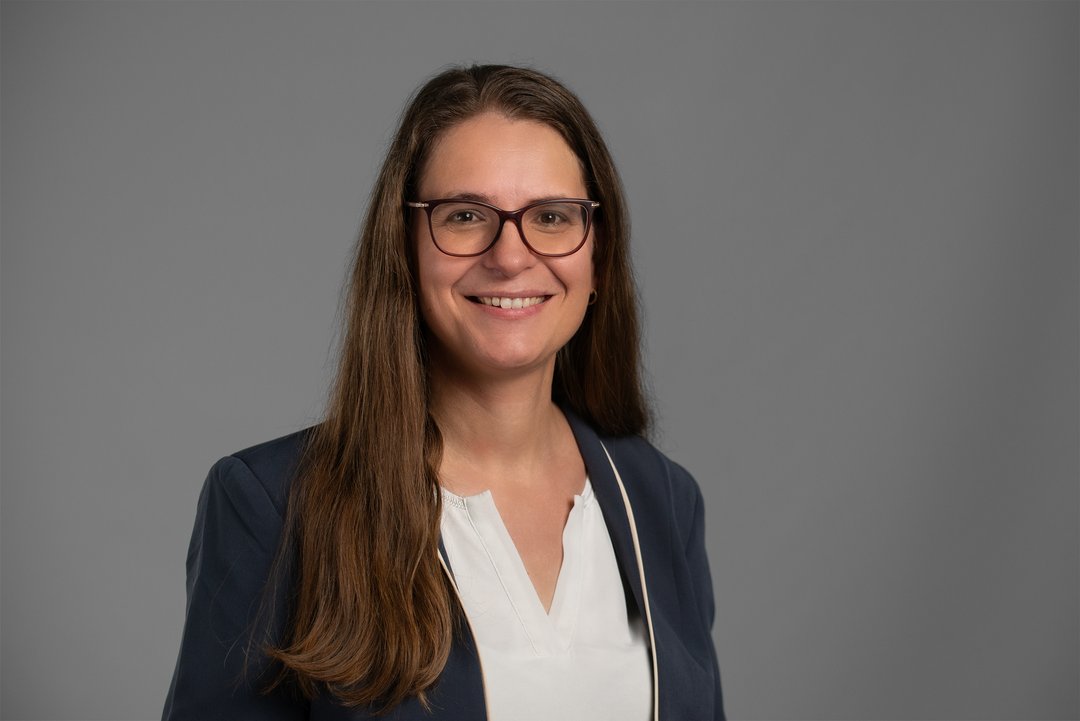
Prof. Dr Emilia Graß – IT security concepts in medicine
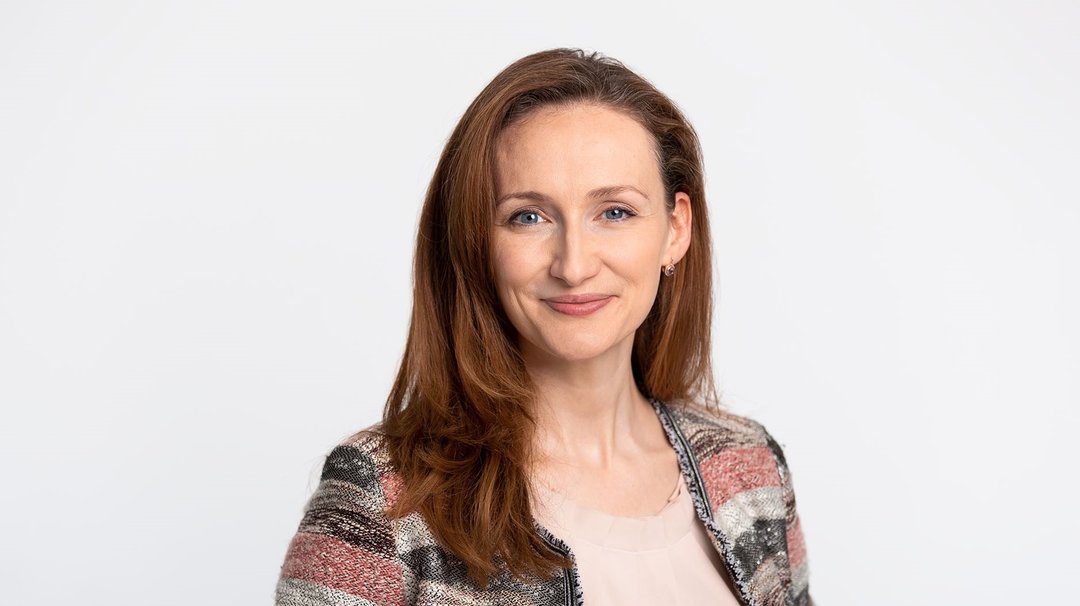
Prof. Dr Dennis Kundrat – Robot-assisted procedures and intelligent systems in medicine
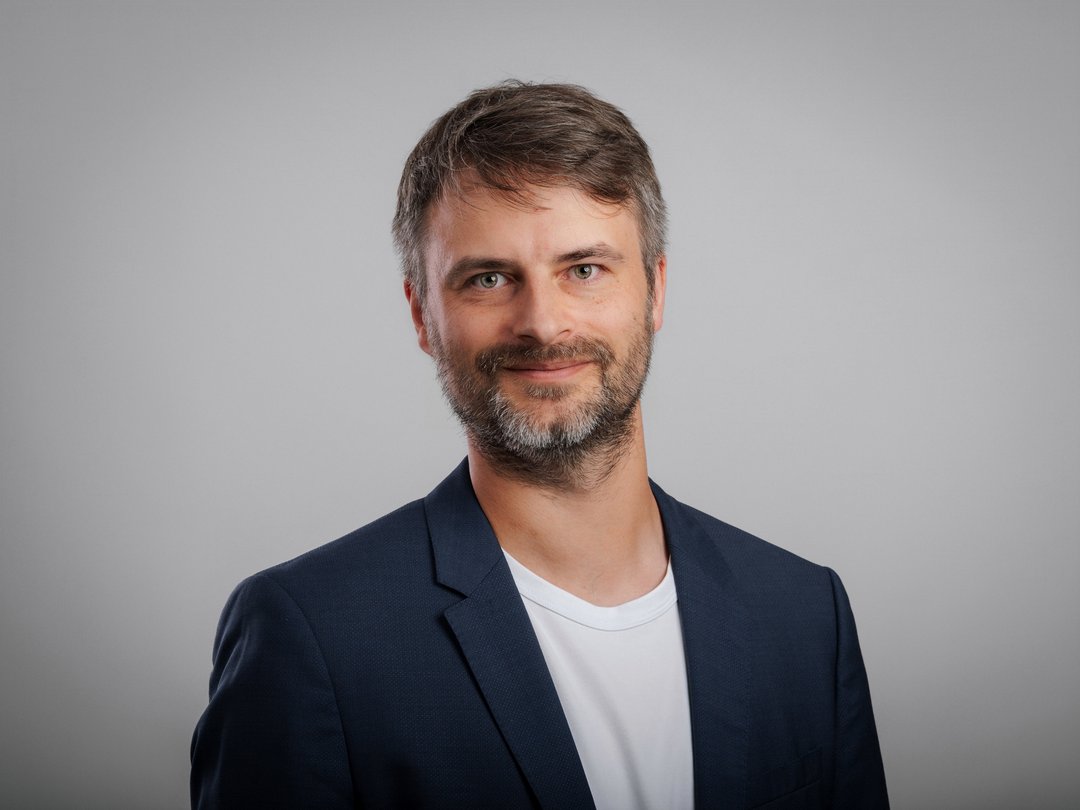
Prof. Dr Johannes Lauscher – Surgical Oncology and Clinical Research
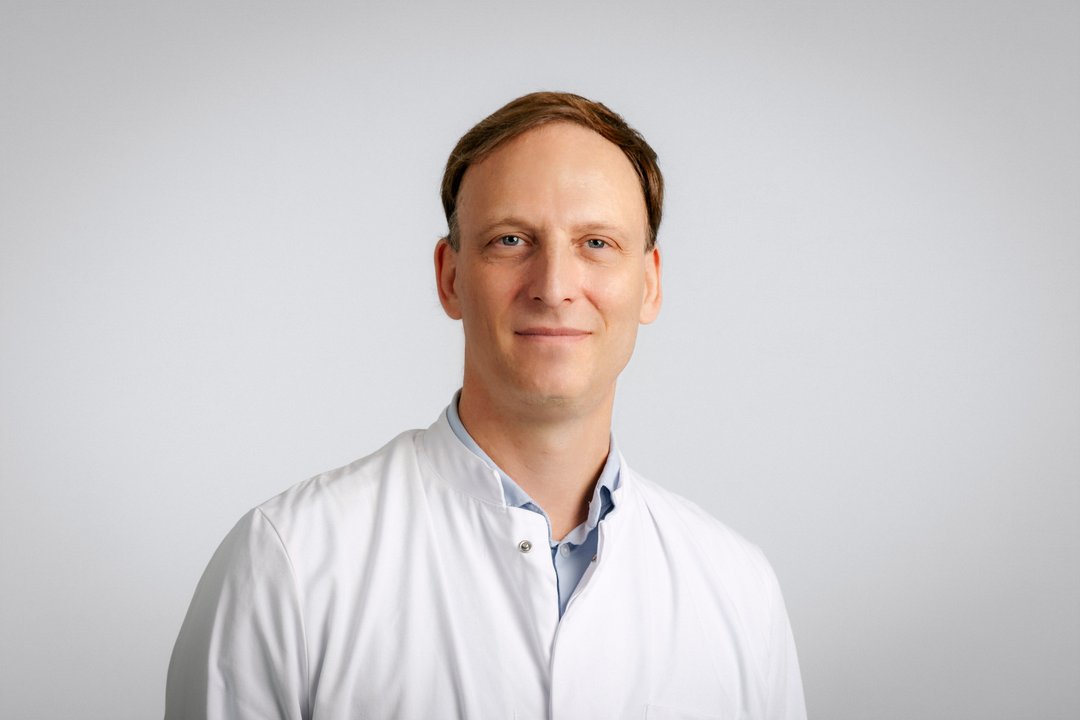
Prof. Dr Lena Unterrainer – Nuclear Medicine with a focus on translational theranostics
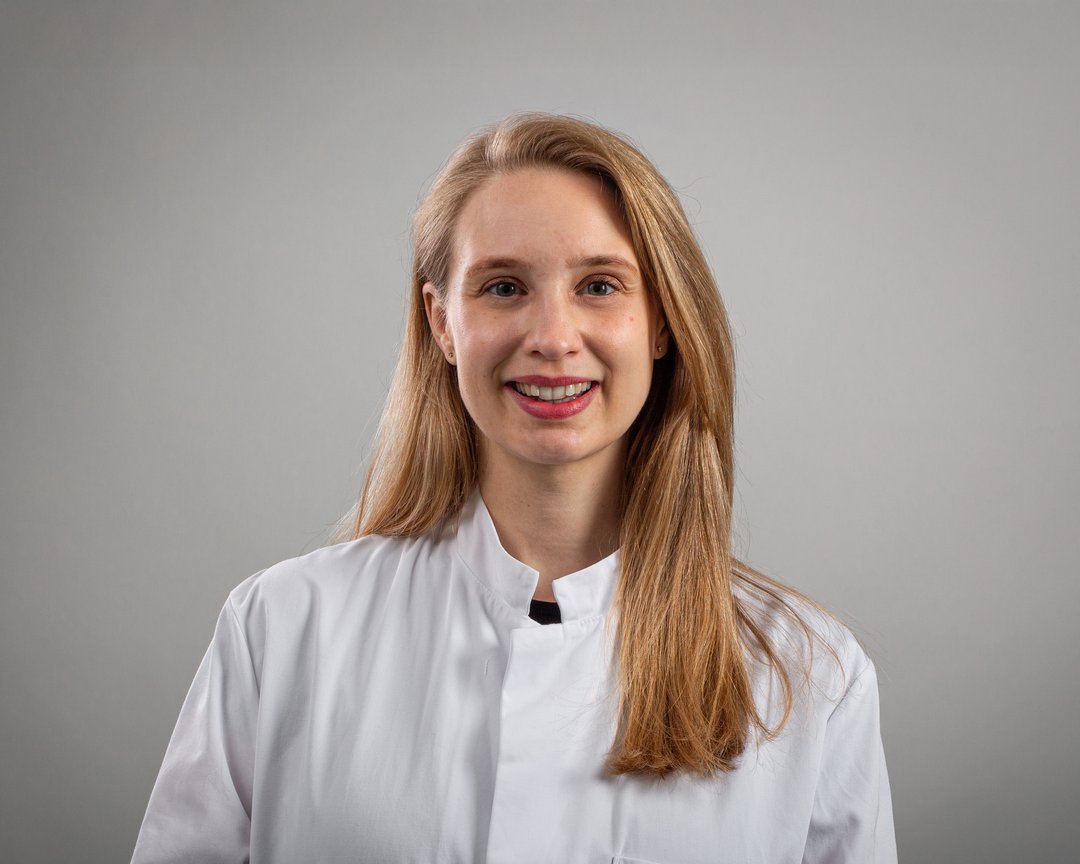
Prof. Rawa Arif – Cardiac Surgery

Media Contact