
Draining an Inland Peatland: Did They Know What They Were Doing?
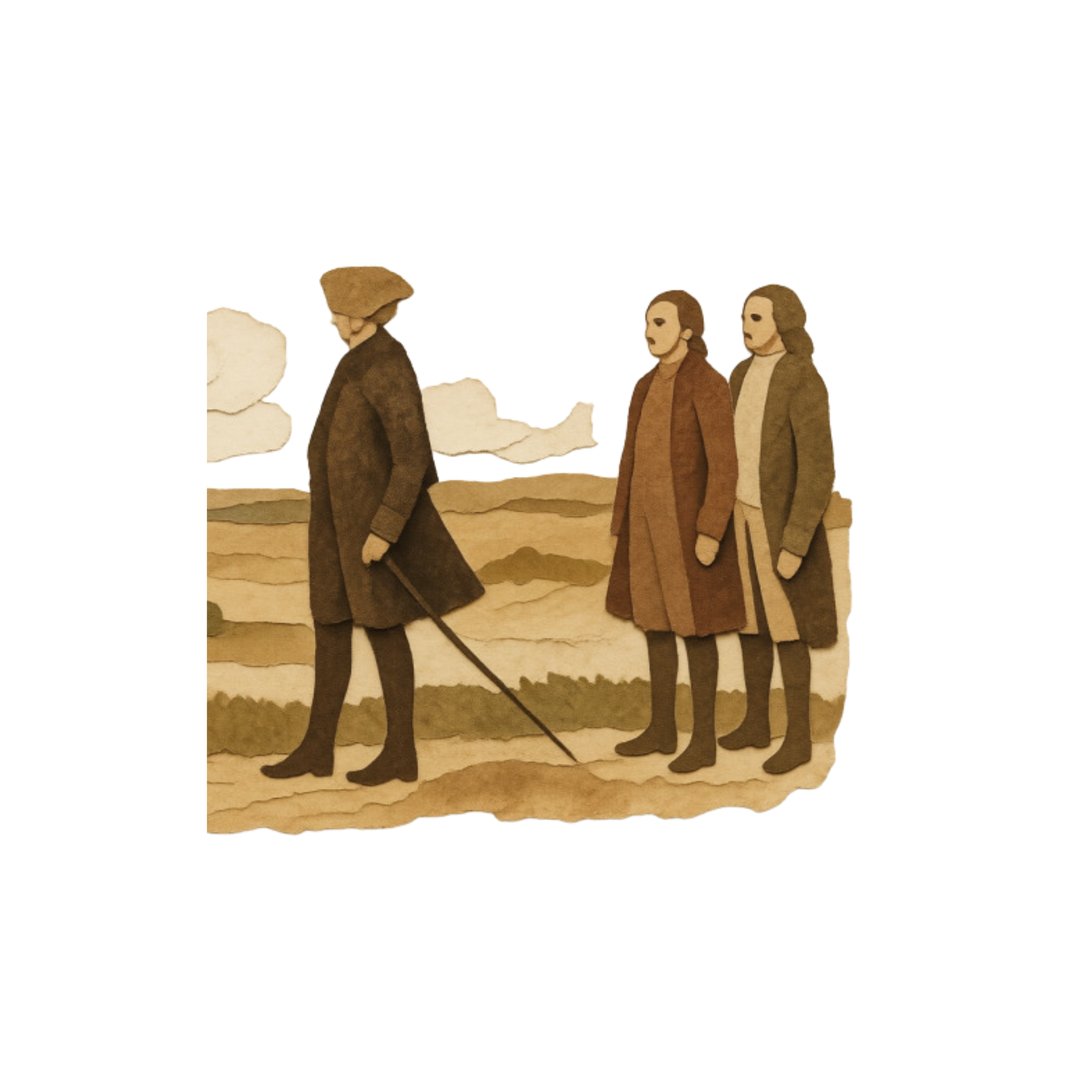
Against this background, the project aims to examine the effectiveness of state intervention in Bavarian wetlands and to investigate the factors that hindered its success. In doing so, the question of the state's and the actors' “wetland knowledge” will be central. The study will examine this knowledge and, more generally, the horizons of knowledge and imagination of those responsible for the Donaumoos melioration, as well as of those affected by it. Particular attention will be paid to the question of knowledge contemporarily available, which would have suggested abandoning the drainage project or using alternative methods, but was ignored or dismissed by actors whose knowledge “counted”.
On the part of those involved in the drainage process, we not only consider their technological knowledge, which has been the focus of research interest to date, but also their (often far less differentiated) knowledge in the fields of sciences today referred to as geology, hydrology, chemistry, and soil science as well as their educational knowledge, but also their personal interdependence with local and state elites and their micro-politics.
Concerning the perspectives of the local population affected by the Donaumoos drainage project, their widespread resistance—manifested in complaints, arbitration records, court cases, and acts of vandalism against drainage infrastructure—has left extensive archival evidence. This source material, which has hardly been used by research to date, will ensure that the history of the "Donaumoos" is written from a perspective that goes far beyond the ‘official’ view that has dominated historiography to date.
Project Researcher: David Gottfried