
Healing with peatlands. Western Bohemian Spas, Balneology and the body politic in the nineteenth and twentieth centuries
PI: Prof. Dr. Jana Osterkamp, Co-I: Prof. Dr. Jens Soentgen
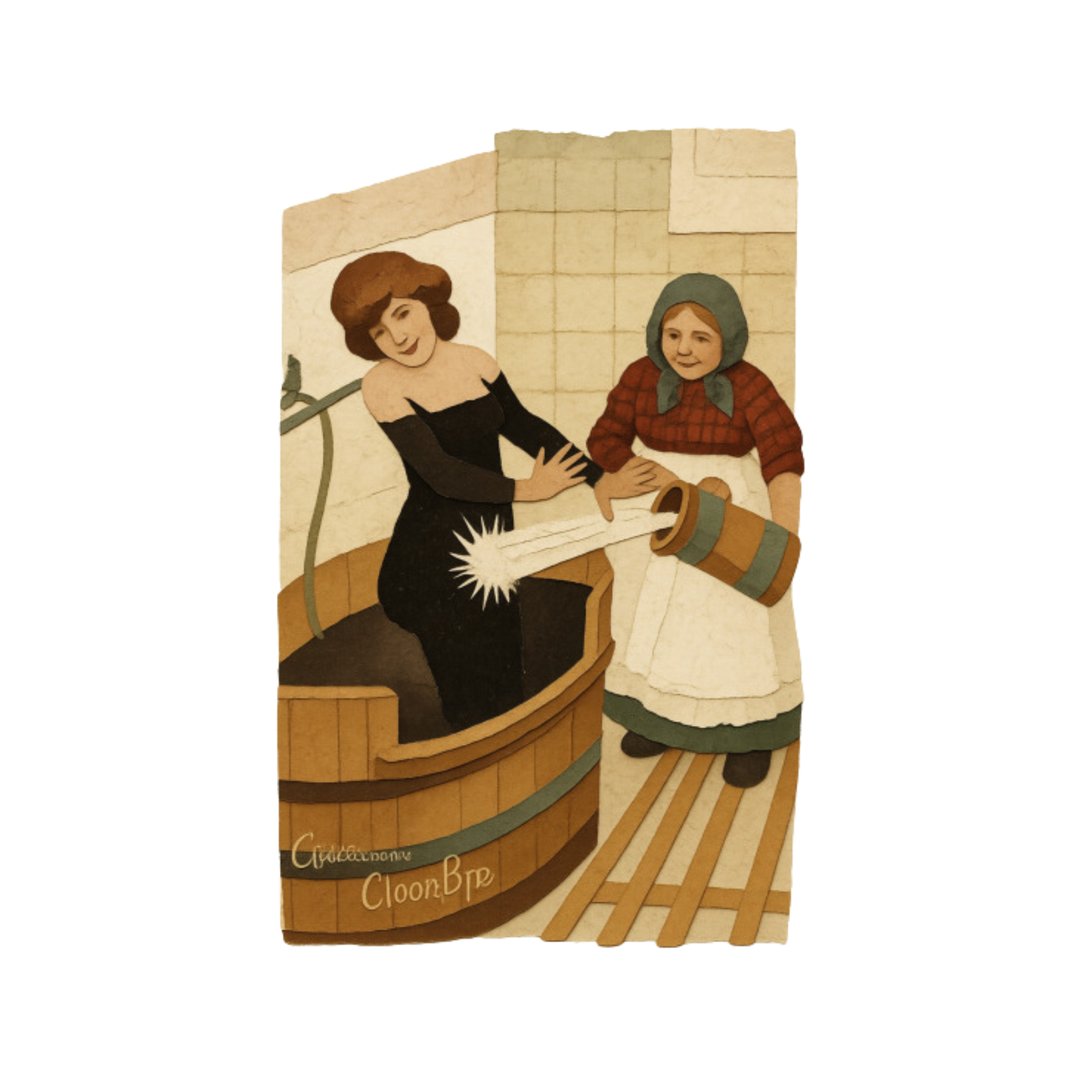
This DFG research sub-project examines peat therapy in Western Bohemian spa towns as a lens for understanding the transformative shift in public consciousness of wetlands from disease-causing landscapes to sites of healing. Thus, the sub-project addresses a paradox: how did peat shift from materia peccans—a substance blamed for deadly epidemics—to materia medica, deliberately applied to the human body for therapeutic purposes?
The project employs three analytical approaches across political ruptures:
First, it traces medical-epistemological changes in the newly emerging medical field, balneology, examining how Western Bohemian spa physicians like Josef von Löschner, who established Europe's first chair of balneology at Prague University in 1841, legitimized peat therapy within the academic medicine. Second, it analyzes body politics across political regimes—from individual bourgeois patients in the Habsburg Empire through the National Socialist Volkskörper to socialist workers' bodies—demonstrating how therapeutic practices remained remarkably stable while conceptions of the body requiring healing underwent fundamental ideological transformations. Third, it investigates the material-ecological dimension, tracing peat extraction from specific sites (Soos, Pernink, Božídar) from sustainable pre-1945 practices through intensive socialist exploitation to post-1989 conservation efforts.
The project enriches all three pillars of "Thinking with Wetlands": It contributes to "Wetland Knowledge and Science" by examining balneology's epistemic reversal and its intermediate position between naturopathy and academic medicine; to "State and Society" through its analysis of how different political regimes reconceptualized bodies as objects of healing; and to "Conservation" by investigating landscape transformation and extraction practices across two centuries. The project's work on spa antisemitism—analyzing how attributes of materia peccans were visually projected onto Jewish spa guests through postcards—demonstrates innovative connections between environmental perception and social discrimination. This proposed research project makes distinctive contributions by examining new ways of small-scale wetland use rather than large-scale drainage projects, by maintaining a longue-durée perspective across dramatic regime changes, and by demonstrating continuities in therapeutic practice despite fundamental shifts in political ideology—revealing how healing with peatlands served as both individual therapy and instrument of body politics throughout modern Central European history.