
Marsh by marsh. Otto Kraus and wetland protection in Bavaria, 1905-1984
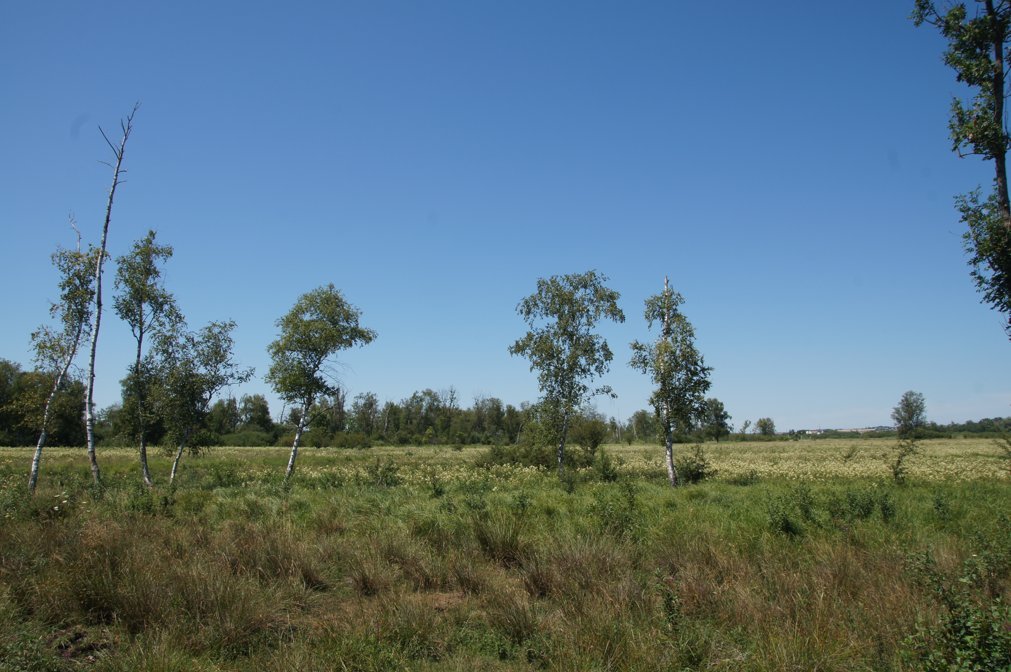
What does it take to save a wetland? What visions of nature drive protection? And what role does ‘the state’ play in it?
Taking Otto Kraus, Bavaria’s “first state environmentalist” in the twentieth century, as an entry point, this project studies the history of wetland conservationism in Bavaria between 1905 and 1984.
Adding in other figures such as Ingeborg Haeckel (1903–1994), Max Dingler (1883–1961), or Eugen Schumacher (1906–1973) alongside concrete wetlands sites, such as the Donaumoos, the Murnauer Moos, or the Dachauer Moos, the project aims to investigate the visions, discourses and argumentative, medial and political strategies surrounding the emergence of wetland conservationism in one of the wetland-richest federal states in Germany.
Focused on the period between 1905 and 1984, Kraus biography and important markers in environmental state governance, while employing a “Bavaria-in-the-world” perspective, project Kraus connects the local with the international, telling an environmental history that stretches across four different political regimes and four different Bavarian wetlands. As a longue-durée perspective on the Donaumoos (project inland) and three other specific wetland sites and as a complimentary project to Seidel—a female, Max Planck scientist and ‘inventor’ of artificial wetlands—project Kraus discusses the role of ‘the state’ vis-à-vis scientists and activists in conservation efforts while focusing on the period leading up to the UN Ramsar Convention of 1975 and Bavaria’s constitutional addendum of 1984.