
Swamp Air: Analysing an Uncanny Atmosphere, 1700 – 1866
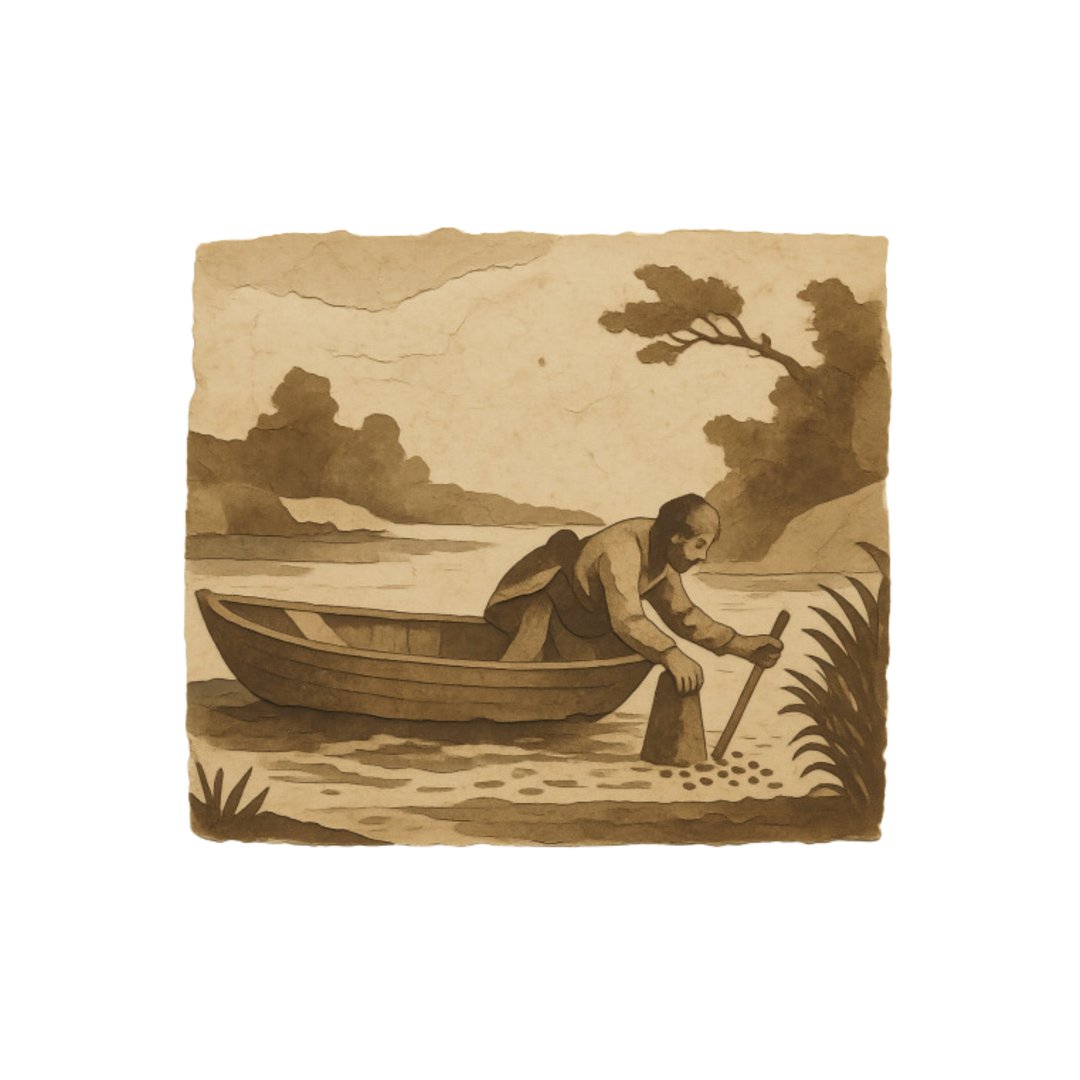
The project, that is mainly situated at the intersection of history of science (chemistry) and medicine, phenomenology and environmental history shall provide both an odorific (and in this regard phenomenological) and material history / Stoffgeschichte of the airy substance named inflammable swamp air between 1700 and 1866. The year 1700 is taken as the starting point, as this is the year when Ramazzini’s seminal book was first published, discussing the diseases of craftsmen and laborers in which bad, odoriferous air plays an important role, notably in connection with well-drilling, grave-digging, and flax rotting.
The year 1866 is used as the terminal point of reference as this was the year when marsh gas was rebaptized as methane by August Hoffmann. Drawing upon the discussion triggered by the findings of natural scientists across Central Europe, such as Volta, Priestley or Lichtenberg, the project will extrapolate on how the discovery and examination of methane at the end of the 18th century affected the reconfiguration of the old topoi about the harmfulness of atmospheric swamp air and the atmospheric conditions in mines.
Learn more about the Research Project here: Wetlands Download Swamp Air E.pdf 93.9 KB